A National Park on the Mesoamerican Reef
Cozumel sits on the northern end of the Mesoamerican Reef, the largest barrier reef system in the Western Hemisphere. The deep walls and coral gardens off the island's southwest coast, such as Palancar, Columbia and Santa Rosa, have been a federally protected National Park since 1996. Strong, clean currents bring nutrients and clear water, which is why Cozumel is famous for drift diving, and why its reefs are among the most studied in the Caribbean.
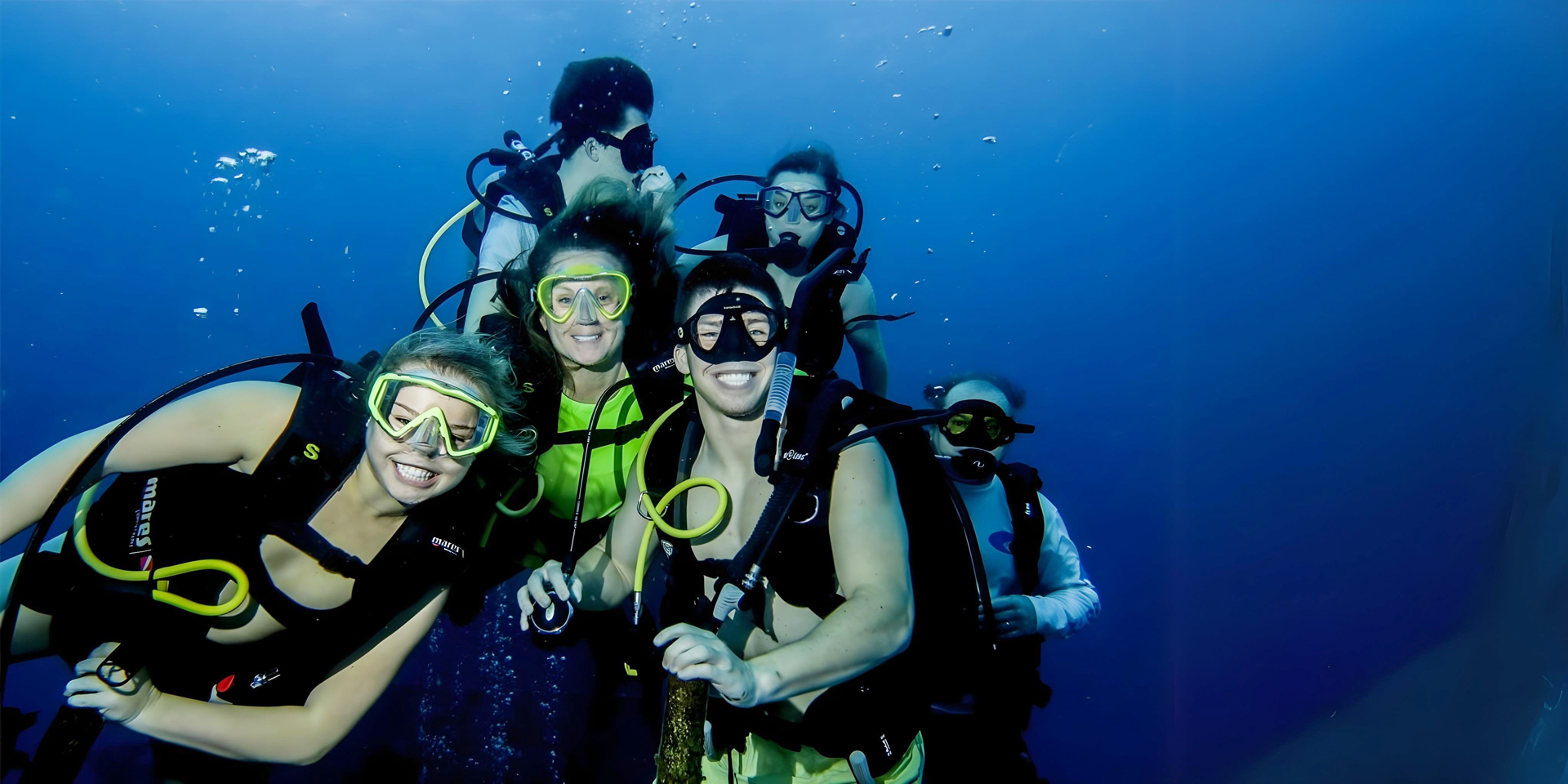
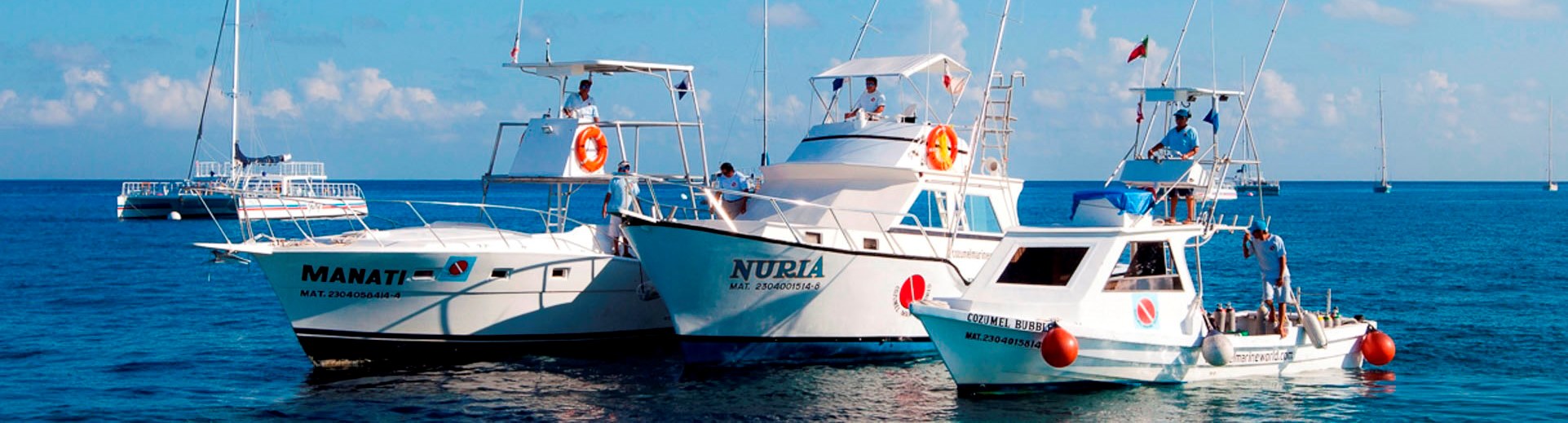
Every boat dive we run is inside this park. Its rules are simple and they work: no touching, no taking, no gloves, and a park bracelet for every diver, which funds its rangers and management.
What Is Happening on the Reef
Coral disease
Stony coral tissue loss disease, first reported in Florida in 2014, appeared in the Mexican Caribbean in summer 2018 and reached southwest Cozumel by December 2018. Scientists surveying 82 reef sites across the region documented how fast it spread and how many coral species it kills, especially brain and pillar corals.
Heat and sargassum
Warmer seas stress corals into bleaching, and large seasonal arrivals of sargassum seaweed along the Mexican Caribbean coast can cut light and oxygen in shallow water. Healthy reefs recover from these events far better than reefs already under pressure.
Visitor pressure
Cozumel welcomes divers, snorkelers and cruise passengers from all over the world. Fins on coral, anchors, and chemical sunscreen add up. The way each of us dives is the part of the problem we can fix today.
Signs of recovery
The 2024 Mesoamerican Reef Report Card by Healthy Reefs for Healthy People, built with more than 70 organizations, shows the Reef Health Index rising from 2.3 (2021) to 2.5 out of 5 (2023). Most sites are still in poor or critical condition, so the work is far from done, but protection is making a difference.
Dive the Reef-Friendly Way
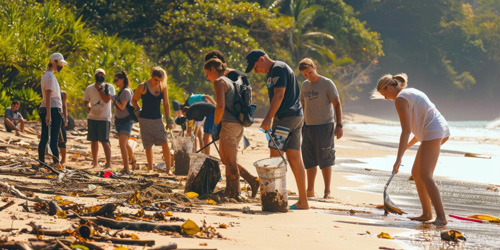
- Buoyancy first. Good buoyancy keeps fins and hands off the coral. Our courses and briefings put it at the center.
- Look, don't touch. No touching, standing on, or collecting anything, living or dead.
- Reef-safe sun protection. Use mineral sunscreen or a rash guard instead of chemical sunscreen.
- Respect the park. No gloves, no feeding the fish, and your park bracelet on every dive.
- Report what you see. Spotted white patches spreading on coral, or a tangled turtle? Tell your guide: it goes to the people monitoring the reef.
Scuba Diving International Congress 2026
From October 15 to 18, the congress brings researchers, safety experts and dive professionals to Cozumel, with free entry. On the reef side of the program:
- Mauricio Hoyos, Pelagios Kakunjá: field research, tracking technology, environmental education and applied conservation for a more responsible relationship between people, tourism and the ocean (Saturday, 5:00 pm).
- Pirry, documentary filmmaker: the power of digital communication to inspire real, responsible ocean experiences (Saturday, 7:00 pm).
- DAN and PADI: safety seminar, safety standards, in-water rescue and emergency oxygen workshops (Thursday to Sunday).
Read the Research
- Arrecifes de Cozumel National Park (decree, area, Ramsar site)
- SEMARNAT: protected areas compendium (11,987.88 ha)
- Alvarez-Filip et al. (2019), PeerJ: rapid spread of stony coral tissue loss disease in the Mexican Caribbean
- Estrada-Saldívar et al. (2021), Frontiers in Marine Science: SCTLD reaches Cozumel (Dec 2018)
- Healthy Reefs for Healthy People: 2024 Mesoamerican Reef Report Card (via GCRMN)
- Smithsonian Ocean: improving grades for the Mesoamerican Reef